


 Contact Us


Key points of this article
- Hose material properties: All hose materials have a different degree of odor transfer. It is important to choose the right hose by looking at its material properties.
- Preventing odor transfer: In preventing odor transfer, selecting the appropriate hose and thoroughly cleaning the inside of the hose to remove any fluid remnants is essential. Using different hoses for different purposes can also be effective.
Hose material properties and suitable usage environments
Let’s start with a question for everyone from Hose Adviser Pro.

Which of the following hose materials has low levels of odor transfer and is suitable for use in food and beverage manufacturing?
A. PVC resin
B. Fluorine resin
C. Silicone rubber

The correct answer is B. Fluorine resin.
In addition to the above materials, hoses can also be made from materials such as polyolefin resin, and the degree of odor and properties of hoses will vary. Among hose materials, PVC resin has the highest level of odor, and is followed by silicone rubber, polyolefin resin, and fluorine resin in that order. Choosing the right hose for the application and environment is important for preventing problems before they occur.
Noticeable odor Odor Minimal odor

PVC resin Silicone rubber Polyolefin resin Fluorine resin
Shown below are the properties of each material and hints on choosing the right one.
PVC resin
Soft polyvinyl chloride (PVC) hoses are commonly used in general-purpose applications and include plasticizers for added softness. However, these plasticizers may dissolve due to factors such as the effects of heat or oil, which may in turn cause odors to transfer to the product depending on the usage environment. For this reason, care must be taken when manufacturing products where odor and elution are particularly problematic, such as in the case of food, pharmaceuticals, and cosmetics. Some PVC hoses are formulated to feature low elution to enable their use for products such as food.
Silicone rubber
Hoses made of silicone rubber feature low elution, low odor, insulating properties, and are also easy to clean. They also feature excellent heat and cold resistance for use in a wide range of temperature conditions. Because these hoses have minimal odor, are non-toxic, and have little elution that may affect fluids, they are safe for use with products such as food, beverages, and cosmetics.
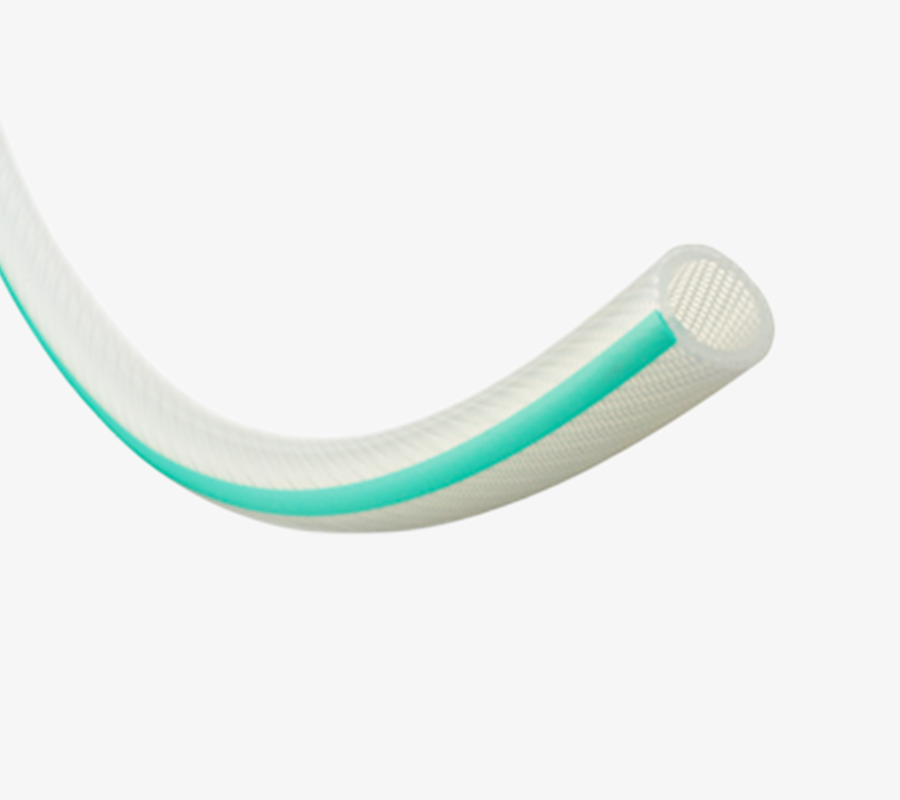
Click here for a complete list of Toyox’s low-elution/low-odor silicone rubber hoses.
Polyolefin resin
Hoses made of polyolefin resin feature minimal odor and little elution, minimizing the causes of odor transfer. They are also highly chemical resistant and have a long service life. Polyolefin resin is also an environmentally friendly material as it does not produce harmful gases when burned. This means it can be used for hoses used for conveying and transporting chemicals, pharmaceuticals, pure water, cosmetics, and food.
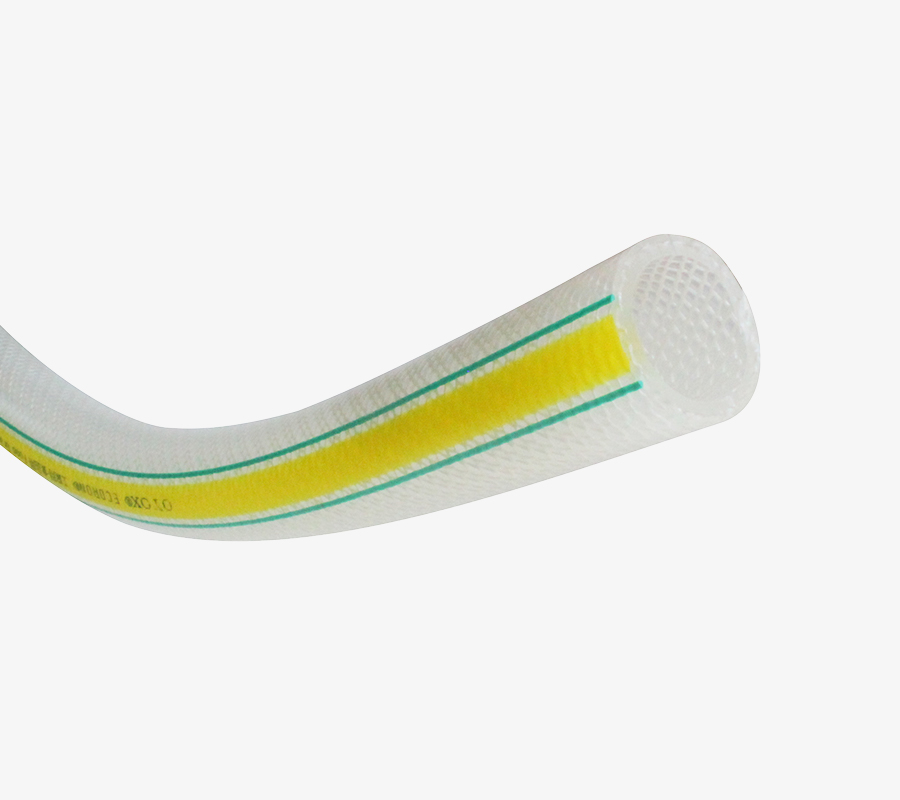
Click here for a complete list of Toyox’s low-elution/low-odor polyolefin resin hoses.
Fluorine resin
Hoses made of fluorine resin feature high chemical resistance, low odor, and minimal odor transfer. They also have little elution, fluid are less likely to remain, and debris is less likely to stick, making them easier to clean. This enables their use as facility piping hoses for chemicals, pharmaceuticals, pure water, cosmetics, food, semiconductors, etc.
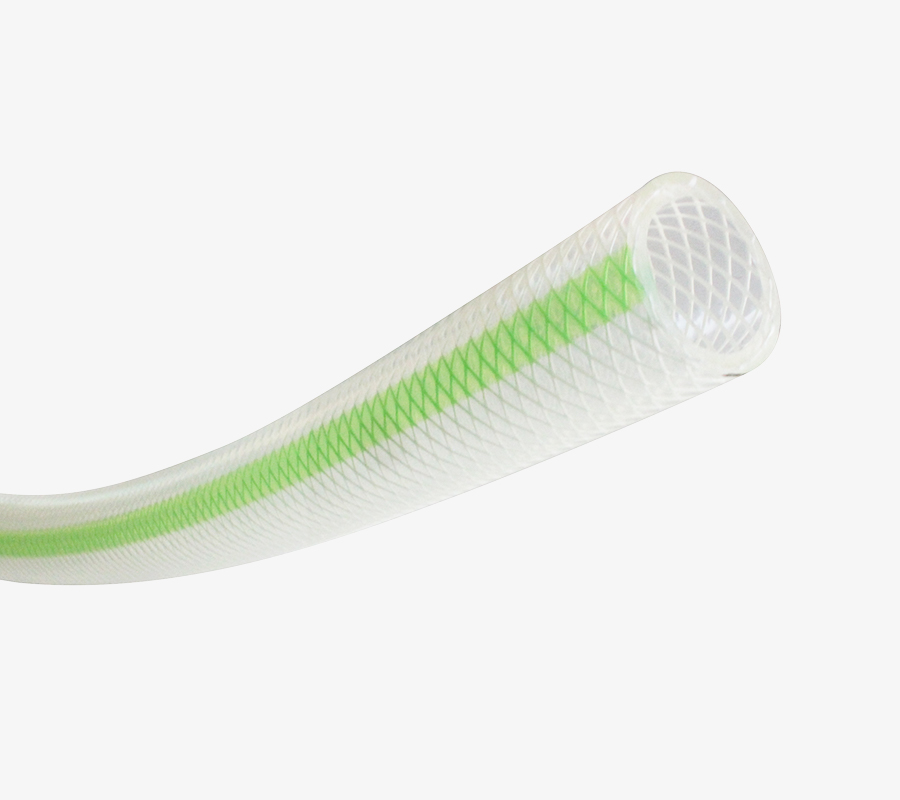
Click here for a complete list of Toyox’s low-elution/low-odor fluorine resin hoses.
Although it is important to understand the properties of each material and select a hose suitable for the usage environment, preventing odor transfer also requires paying attention to the following points.
・Do not allow fluids to remain in hoses for prolonged periods.
・Ensure hoses are cleaned thoroughly.
・Use specific hoses only for specific fluids and usage environments.
Toyox can support you in selecting the ideal hose for any application, helping to ensure safe and efficient production.
By registering as a member on our website, you can take advantage of various services such as the downloading of certificates and catalogs.
That wraps up our explanation on low-odor hoses and how to select the right one for your application.
For any other inquiries or consultations, please contact the TOYOX Customer Service Office.
Have you ever had an issue with odor transfer when using hoses to carry raw material fluids? One reason why odors remain in fluids carried by hoses is the odor coming from the hoses themselves. Not addressing such a problem can result in products becoming defective and lead to even bigger problems. Choosing the right type of hose is essential when manufacturing products where odor is a problem. In this article, Hose Adviser Pro will introduce types of low-odor hoses and how to select the right one for your application.